Search
Shop Online
    Menu Close
    RSS

    Blog

    HOW TO DEAL WITH A FUSSY EATER
    (0) HOW TO DEAL WITH A FUSSY EATER
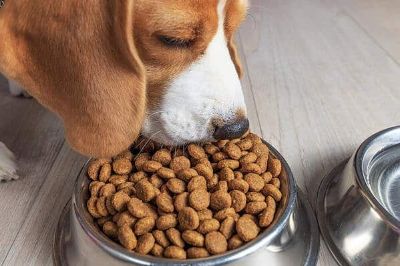
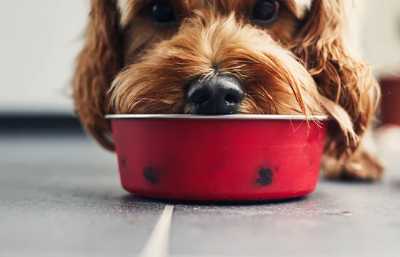
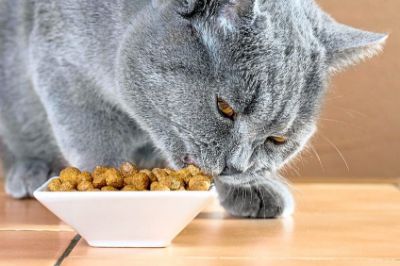
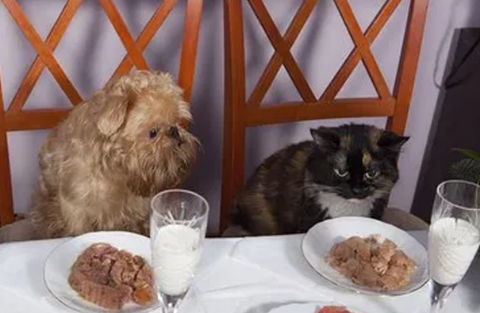
    Feeding a fussy family can be challenging enough, but when your pet refuses to even taste their favourite gourmet treats it can be frustrating and a little concerning. Whether your dog is reluctant to finish his biscuits or your cat simply won't eat, there are many reasons why a pet might go off its food. As a first step, check for signs of ill health. If your pet turn their nose up at more tan one meal, its a good idea to get them checked by your vet to rule out any physical healthier issues that might be going on. But if there's no health issue and your finicky pet is just waiting for something tastier to come along, there are a number of methods you an employ to convince them to lick the bowl clean.
    GROW PERFECT TOMATOES
    (0) GROW PERFECT TOMATOES
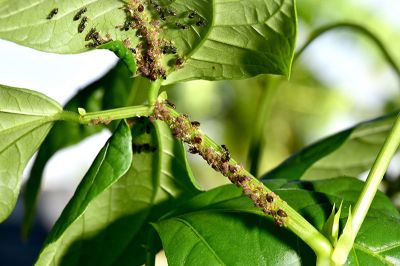
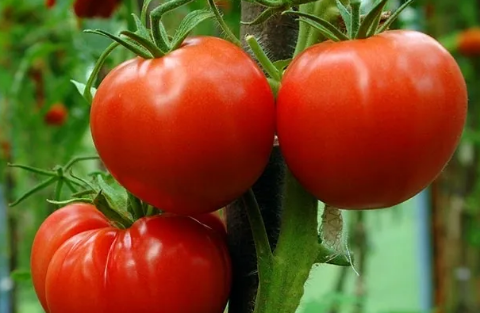
    Timing, training, watering and pest control are crucial for growing a good crop of tomatoes.... Lots of us dream of growing the perfect tomato. I'm not talking about those tiny feral ones that spring out of the compost and thrive despite zero attention. We want those big, fat, juicy, rich, flavoursome home grown tomatoes. So we plant and nurture them and the crop looks promising, then a pest comes along and destroys the fruit and flattens the plants completely. I hope there is something here to help you achieve a bumper harvest.
    BATTLING BOT FLIES
    (0) BATTLING BOT FLIES
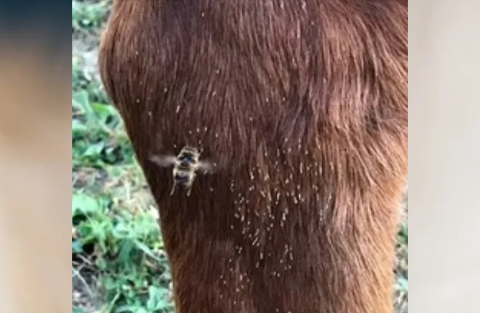
    I remember being so intrigued by bot eggs on my little gymkhana horse: plainly evident on the darkened, wet hair during grooming and bathing. I would gaze at them and search for more, thinking about how amazing and adaptive parasites can be. The contrast between the black hair and the creamy nits made them easy to find; they would stand out like coconut on a chocolate cupcake. Yuck. No, thank you. Lovely, yet disappointing and unacceptable. Even back in the early 1980’s it was common knowledge that washing the nits with warm soapy water would trick them into hatching, only to be swept away, never to enter my horse’s mouth.
    PROTECTING YOUR PET FROM TICKS
    (0) PROTECTING YOUR PET FROM TICKS
    Spring is here and with blue skies and warm, sunny days it is the perfect time to spend more time outdoors! Although most are harmless, Australia is home to some nasty ticks that can be fatal to your pets. As we approach September, it is important to be vigilant and take extra precautions against tick-borne diseases during this period. Paralysis ticks are much more than a nuisance and pose a serious threat to the health (and life) of your pets.
    THRUSH IN A HORSES HOOF....
    (0) THRUSH IN A HORSES HOOF....
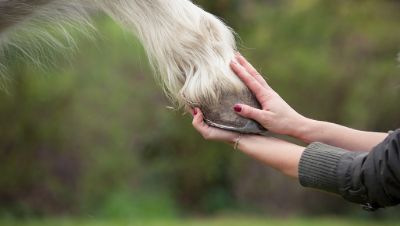
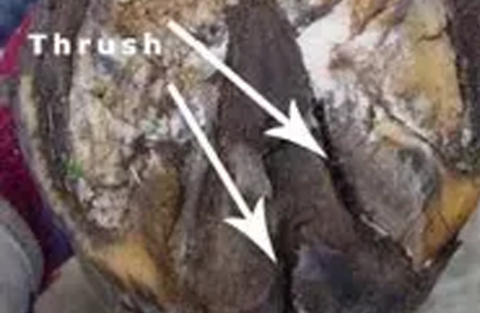
    Thrush in the horse Thrush is an infection in the frog and the grooves (sulci) in and around the frog of the hoof. It can be caused by various organisms like fungus and anaerobic bacteria. One species of bacteria, Fusobacterium necrophorum, can destroy the frog and cause permanent damage if not treated early.
    CHECKLIST FOR ALL YOU EAGER SPRING GARDENERS
    (1) CHECKLIST FOR ALL YOU EAGER SPRING GARDENERS
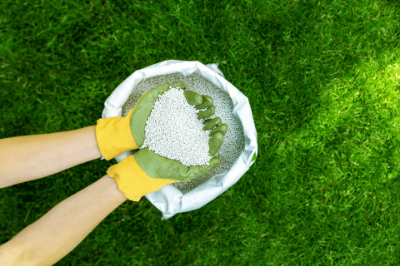
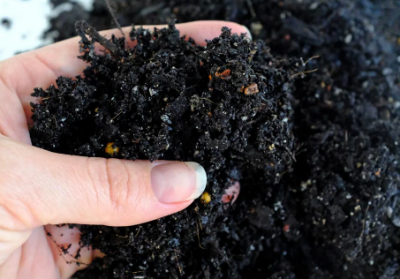
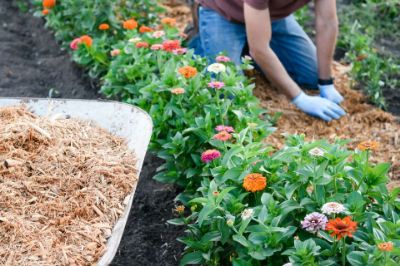
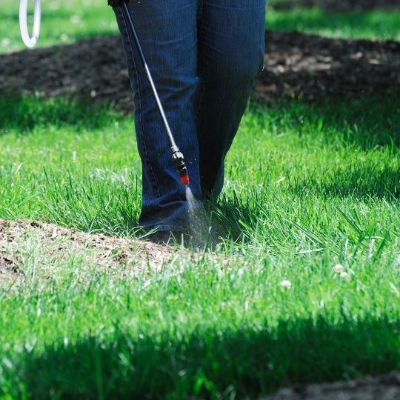
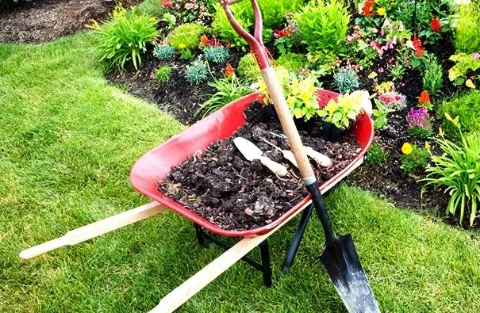
    The garden is waking up, and you're in charge! It's time to start planting, pruning, and preparing your flower beds. Just like giving your house a good spring cleaning to help freshen it up after a long winter, you can take a similar approach to your yard to get it back in shape for the warmer months. Even after the snow and ice melts, it can be a little overwhelming to tackle all the work that needs to be done for a picture-perfect spring landscape. Use this checklist to help pace yourself as you get your flower beds, trees, shrubs, and other areas of your yard cleaned up. It's broken down into early, mid-, and late spring so you can plan out your garden clean-up tasks and hit each area of your landscape before summer arrives.

    ITS SO IMPORTANT NOT TO OVER-DEWORM YOUR HORSE!
    (0) ITS SO IMPORTANT NOT TO OVER-DEWORM YOUR HORSE!
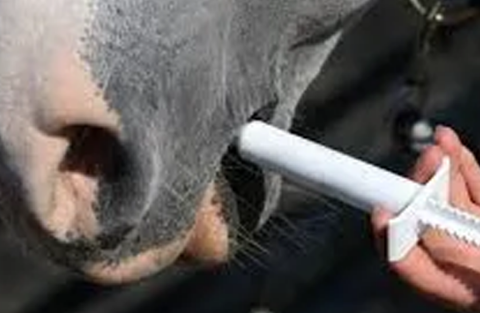
    One of the most common questions that arises with horse owners is worming of their horse, and its an important one! However, misinformation and glossy marketing from several big pharmaceutical companies have contributed to poor use of our deworming drugs to the point there is now widespread drug resistance, this will be devastating for our horses when we're unable to treat basic conditions like intestinal worms. Lets try and clear up some mistruths and set a path forward for better use of these important drugs...
    HOW TO FEED THE OLDER AND SOMETIMES TOOTHLESS HORSE...
    (0) HOW TO FEED THE OLDER AND SOMETIMES TOOTHLESS HORSE...
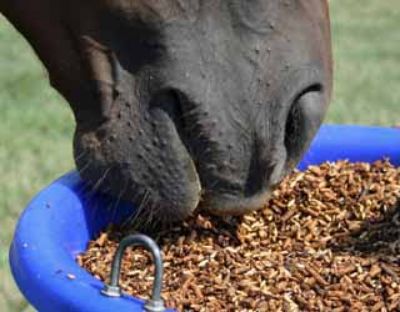
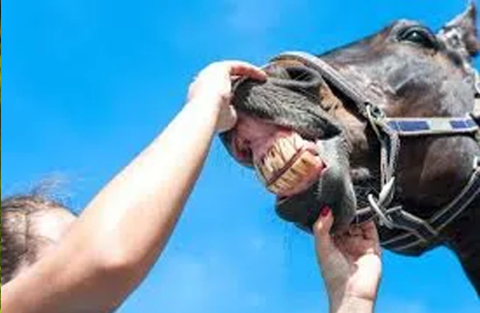
    How to Feed the toothless Horse As owners, we are doing a wonderful job looking after our horses. They are living longer and happier lives. They are performing well into their senior years. We have perfected diets, exercise programs, stable management, and pasture maintenance. We are catching and treating diseases that used to end careers like PPID (Cushing’s Disease) sooner and more effectively.
    FIVE TIPS FOR HOOF ABSCESS
    (0) FIVE TIPS FOR HOOF ABSCESS
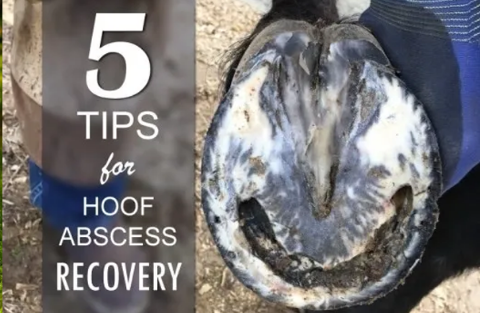
    With the development of a hoof abscess, an energetic and active horse can suddenly become severely lame. It can happen quickly, painfully, and with no prior signs of a problem. Finding your horse in this state can be terrifying, especially if you’ve had little experience dealing with a hoof abscess. Luckily, with time, patience and proper treatment most horses will fully recover. In this blog, we will discuss five tips that can be utilized to assist in your horse’s recovery.
    MOULTING IN CHICKENS
    (0) MOULTING IN CHICKENS
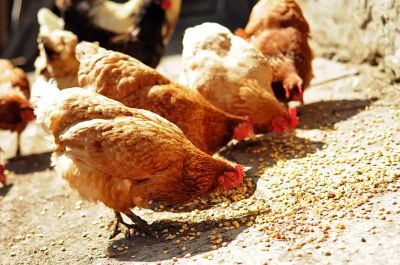
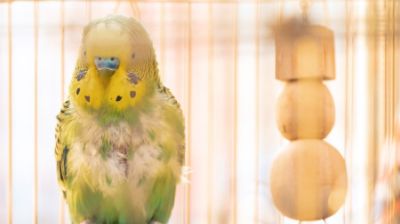
    Manage the moult: how to care for your chooks during colder months Autumn is the season where poultry owners begin noticing their hens losing feathers as egg production declines or stops completely. This is known as moulting and it is a natural phenomenon that all laying poultry go through. Moulting is characterised by a reduction in feed intake and body weight, loss of feathers, cessation of lay, regrowth of feather and resumption of lay. It is your hen’s rest and rejuvenation after giving you eggs throughout the year. It is also her way of preparing for winter and her next laying season.